The Many Uses for an ATV or UTV
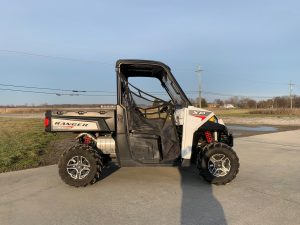
There are many uses for an ATV or UTV. These machines are designed to handle unpaved surfaces, uneven ground, mud, trails, fields, and other terrain that can be difficult for traditional vehicles to navigate. Depending on the type of machine you own, an ATV or UTV can be used for everything from weekend recreation to hunting, property maintenance, farming, hauling, and snow removal.
While ATVs, UTVs, and side-by-sides are sometimes grouped together, there are important differences between them. Understanding those differences can help you choose the right machine for the way you plan to ride or work.
What Is an ATV?
ATV stands for all-terrain vehicle. Most ATVs are designed with a straddle-style seat similar to a motorcycle, handlebars for steering, and low-pressure tires built to handle off-road conditions.
Depending on the model, an ATV may be designed primarily for recreation, utility work, sport riding, or a combination of these purposes.
ATVs are popular because they are relatively compact and maneuverable. Riders can take them through wooded trails, around farms, across fields, and into locations where a larger vehicle may have difficulty traveling.
Common ATV uses include:
- Trail riding
- Hunting
- Farming and property maintenance
- Transporting small loads
- Checking fences or livestock
- Reaching remote areas
- Recreational and sport riding
- Snow removal with compatible accessories
Different ATV models offer different combinations of power, suspension, cargo capacity, towing capability, and four-wheel-drive performance.
What Is a UTV?
A UTV, or utility terrain vehicle, is typically larger than an ATV and uses a different seating arrangement. Instead of sitting astride the machine, drivers and passengers sit in seats next to one another, which is why UTVs are frequently called side-by-sides or SxS vehicles.
Depending on the model, a UTV may accommodate two, three, four, or even more occupants.
Many UTVs also include features such as:
- Side-by-side seating
- Steering wheels instead of handlebars
- Seat belts
- Roll-over protection structures or cages
- Rear cargo beds
- Towing capabilities
- Windshields, roofs, and doors on some models
- Four-wheel-drive systems
These features make UTVs especially popular for jobs that require carrying passengers, tools, equipment, or supplies.
UTVs are commonly found on farms, large properties, construction sites, hunting land, trails, dunes, and recreational riding areas.
What Is a Side-by-Side?
A side-by-side, often abbreviated as SxS, generally refers to a UTV-style off-road vehicle in which the driver and passenger sit next to each other.
Manufacturers offer side-by-sides for several different purposes. Some models emphasize hauling, towing, and property maintenance, while others are designed for high-performance recreational riding.
You may also see terms such as recreational UTV, utility side-by-side, or sport side-by-side used to describe different types of machines.
No matter what you call them, these vehicles have become extremely popular because they combine off-road capability with greater passenger and cargo capacity than a traditional ATV.
Popular Uses for ATVs and UTVs
One of the biggest advantages of owning an ATV or UTV is versatility. The same machine that takes you down a trail on Saturday may be helping you work around your property on Monday.
Here are some of the most common uses for ATVs and UTVs.
Trail Riding and Recreation
For many owners, riding is simply about having fun.
ATVs and UTVs provide access to trails and terrain that you would never want to tackle with a normal passenger vehicle. Depending on where you ride, you may encounter dirt, gravel, mud, hills, wooded paths, sand, or rocky surfaces.
Sport-oriented machines can also provide impressive suspension, acceleration, and handling for riders who enjoy more aggressive off-road adventures.
Before heading out, always make sure the property or trail allows off-road vehicles and follow applicable safety and riding regulations.
Hunting and Outdoor Activities
Hunters frequently use ATVs and UTVs to travel across large pieces of property and reach areas that would otherwise require a long hike.
A utility ATV can carry gear on front or rear racks, while a UTV may provide a cargo bed capable of carrying considerably more equipment.
UTVs can be especially useful when traveling with hunting partners because multiple people and their gear may be able to ride together.
Farming and Property Maintenance
ATVs and UTVs aren’t just recreational vehicles. They can also be valuable tools around farms and larger properties.
Owners may use them to:
- Check fences
- Inspect fields
- Carry tools
- Transport feed
- Reach livestock
- Tow small trailers
- Haul landscaping supplies
- Move equipment around the property
For jobs involving heavier loads, a utility-focused side-by-side with a cargo bed may be more practical than a traditional ATV.
Hauling and Towing
Many utility ATVs and UTVs are designed with work in mind.
Depending on the manufacturer’s specifications, some machines can tow trailers, move equipment, or carry supplies around a property.
UTVs generally have an advantage when cargo capacity is important because many models include a rear dump-style cargo bed. That makes it easier to transport firewood, tools, dirt, mulch, feed, or other materials.
Always stay within the manufacturer’s rated payload and towing limits for your specific machine.
Snow Removal
When winter arrives, your ATV or UTV may not have to sit in the garage.
Many owners install compatible snowplows and use their machines to clear driveways, private roads, parking areas, and other surfaces.
A smaller ATV can work well in tighter areas, while a larger four-wheel-drive UTV may be better suited for bigger properties and heavier-duty applications.
Before installing a plow, make sure the equipment is designed for your specific make and model.
Getting Around Large Properties
If you own several acres of land, constantly driving a truck from one area to another isn’t always convenient.
An ATV or UTV can make short trips around the property much easier. They can be particularly useful for farms, hunting properties, campgrounds, large residential lots, and commercial facilities.
A UTV also gives you the ability to take passengers or equipment with you instead of making multiple trips.
Can You Drive a UTV or ATV on the Road?
Whether an ATV or UTV can legally be driven on public roads depends heavily on where you live and where you plan to ride.
Laws can vary by state and local municipality. Some communities may allow certain off-road vehicles on designated roads if they meet specific requirements, while other locations prohibit their use on public streets.
Adding equipment to a machine does not automatically make it street legal.
Before driving an ATV or UTV on a public roadway, check current state and local regulations regarding registration, licensing, insurance, required equipment, and permitted roads.
ATV vs. UTV: Which One Is Right for You?
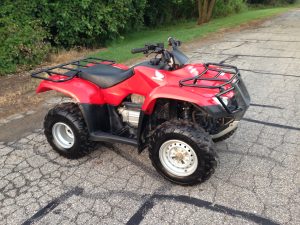
Choosing between an ATV and UTV depends on what you want your machine to do.
An ATV may make more sense if you want something compact, maneuverable, and easy to use on narrow trails. ATVs are also popular among riders who prefer a more active, motorcycle-like riding experience.
A UTV may be a better choice when you need:
- Additional passenger capacity
- More cargo space
- Greater towing capabilities
- A steering wheel and conventional seating position
- A machine that combines work and recreation
There is no single machine that is perfect for everyone. Consider where you plan to ride, how many people will usually be with you, how much equipment you need to carry, and whether the vehicle will primarily be used for recreation or utility work.
Buying or Selling an ATV or UTV?
If you’re shopping for an ATV, four-wheeler, UTV, or side-by-side, compare several models before making your decision. Look at engine size, drivetrain, towing capacity, cargo capacity, suspension, passenger seating, and the type of terrain the machine was designed to handle.
Already own a machine you’re ready to move on from?
Whether you’re upgrading to something newer, clearing out your garage, or simply aren’t riding as often as you used to, Cash 4 Motorcycles can make selling your powersports vehicle easier.
We purchase late-model used ATVs and UTVs and can arrange pickup at a convenient location. That means you can avoid creating listings, answering endless messages, scheduling meetings with private buyers, and wondering whether someone will actually show up.
Ready to find out what your ATV, UTV, four-wheeler, or side-by-side could be worth?
Complete our free, no-obligation quote form and tell us about y